How Do You Make Pie Dough in a Food Processor?
Make food processor pie crust dough with cold butter, short pulses, and gradual additions of ice water. Stop when pinched crumbs hold together, then gather the dough gently and chill it before rolling.
On this page (10 sections)
- How do you make food processor pie crust dough?
- What should you prepare before switching on?
- How do you know when the dough has enough water?
- Why are short pulses better than a continuous run?
- Which processor features matter for pie crust?
- Which of these processors suits your baking?
- What should happen after the dough leaves the bowl?
- Which mistakes cause tough, greasy, or crumbly crust?
- How should you clean up after making pastry?
- What's the best choice for your next pie?
Make food processor pie crust dough by pulsing cold butter into flour, then adding ice water gradually until pinched crumbs hold together. Gather the rough mixture by hand and chill it before rolling.
The key is stopping while you can still see small butter pieces. A processor saves work cutting in the fat, but a smooth ball of dough is the wrong goal for a flaky butter crust.
How do you make food processor pie crust dough?
Use short pulses and a pinch check to control the texture. Follow a processor-friendly recipe for ingredient amounts, since bowl size alone doesn't tell you how much dough a machine can handle.
- Measure your flour and salt, then cut the cold butter into small cubes. Refrigerate the butter until you're ready to add it.
- Fit the chopping blade securely and lock the bowl and lid as your manual directs. Pulse the flour and salt briefly to combine.
- Add the butter and pulse in short bursts. Stop when you have coarse crumbs with some pea-size butter pieces.
- Measure out cold water without the ice cubes. Add it gradually through the feed tube, using a brief pulse after each addition.
- Stop and unplug the processor before checking the mixture. Pinch a small amount between your fingers to see whether it holds together.
- Remove the blade carefully by its hub, then tip the crumbs onto a clean surface. Press them into a disk, wrap, and refrigerate for your recipe's chilling time.
For a double crust, divide the dough into 2 portions before chilling. Shape each into a flat disk so you won't need to flatten a cold ball later.
What should you prepare before switching on?
Have all ingredients measured and cold before you start. Searching for a measuring spoon while butter sits in a warm bowl gives it time to soften.
Use a kitchen scale if your recipe gives weights. If you measure flour by volume, follow the recipe's method rather than packing flour into the cup.
Set the processor on a dry, stable counter and make sure its bowl and blade are clean and dry. Water left from washing changes the amount of liquid going into your crust.
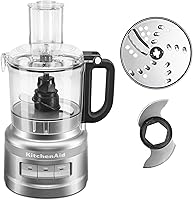
Use the chopping blade rather than a slicing or shredding disc. The food processor blade guide explains the jobs of each attachment.
How do you know when the dough has enough water?
The dough has enough water when a pinched portion holds together without feeling wet. The bowl can still contain loose crumbs at this point.
Start near the lower end of your recipe's water range. As the dough approaches the right texture, add water a teaspoon at a time rather than pouring in the rest automatically.
What should food processor pie dough look like?
Look for rough crumbs and small clumps, with some visible butter pieces. Don't keep processing just to make every crumb join the same mass.
If a pinched portion falls apart, add a little more cold water and pulse briefly. If it holds, empty the bowl and press the remaining crumbs into the dough by hand.
Flour absorbs water during the rest, so avoid chasing a soft, smooth texture before chilling. Dough that feels slightly rough now can become easier to roll after resting.
Why are short pulses better than a continuous run?
Short pulses let you check the butter before it becomes too fine. After water goes in, they also help limit mixing that can develop gluten and toughen the crust.
The exact number of pulses depends on your recipe, butter size, and machine. Use the texture as your guide instead of following a fixed pulse count.
If flour remains unevenly mixed, stop and unplug the machine before using a spatula. Scrape or redistribute the mixture, replace the lid, and continue briefly.
For help with locking the bowl, choosing controls, and handling attachments, read how to use a food processor.
Which processor features matter for pie crust?
Prioritize control, a chopping blade, and a suitable batch limit over extra attachments. A dedicated dough program isn't essential for cutting butter into flour.
Bowl capacity describes the container, not the amount of flour or dough it can safely process. Check the manual's recipe limits before choosing a machine for several pies.
An oversized batch can mix unevenly, while a very small batch may need more scraping in a large bowl. Choose around your usual recipe, then split holiday baking into separate batches if needed.
Watts alone don't tell you how gently you can mix pastry, and peak wattage isn't directly comparable with every other power figure. The broader food processor buying guide covers features that matter for tasks beyond crust.
Which of these processors suits your baking?
Choose the Cuisinart 14-Cup for larger general prep, the Ninja for mixed dough tasks, or the Cuisinart 11-Cup for a middle-size bowl. For all 3, confirm your crust recipe fits the permitted dough batch before buying.
Cuisinart 14-Cup: for bakers who also prep larger meals
The Cuisinart has a 14-cup bowl, a stainless steel chopping/mixing blade, and on and off/pulse buttons. Those controls suit a method where you pause often to judge the crumbs.
Choose it if you also want room for larger vegetable-prep jobs. Its included slicing and shredding discs add uses between baking days.
Skip it if you mainly make small recipes and must lift the machine out of a cabinet each time. At 18 pounds, it calls for a storage plan you can manage comfortably.
Ninja PrecisionPro BZ601: for cooks who make several dough types
The Ninja combines a 9-cup bowl with chopping and dough blades, manual speed settings, and 4 Auto-iQ programs. It suits cooks who want one processor for pastry, other dough recipes, and everyday prep.
For flaky pie crust, follow the recipe's chopping-blade method and watch the texture. Don't assume an automatic dough cycle should run to completion just because you're making pastry.
Skip it if you want only basic controls and won't use its extra programs. Also measure your storage space: the machine is 16.02 inches tall.
Cuisinart 11-Cup: for cooks who want a middle-size option
The Cuisinart 11-Cup includes a chopping/mixing blade, 2 slicing discs, and a shredding disc. It fits buyers who want a bowl size between the other 2 choices and attachments for regular meal prep.
Choose it when that bowl size matches your everyday cooking, rather than buying a larger machine solely for occasional pies. Its included discs give it a role outside baking.
Skip it if you expect an easy appliance to carry around: it weighs 16.9 pounds. If capacity is your main concern, use the guide to what size food processor you need alongside the manual's dough limits.
What should happen after the dough leaves the bowl?
Press, wrap, and chill the dough without kneading it. Press loose crumbs into the disk with your palms instead of repeatedly folding and working the mixture.
Follow the recipe's resting time so the butter firms and the flour hydrates. If a chilled disk cracks badly when rolled, let it soften slightly before trying again.
Roll from the center outward on a lightly floured surface, turning the dough as you go. Brush away excess flour rather than working it into the crust.
If the dough becomes warm or sticky, refrigerate it again. Adding handfuls of flour can change the recipe and make the finished crust less tender.
Which mistakes cause tough, greasy, or crumbly crust?
Match the fix to the texture, rather than adding more flour or water automatically. Several problems can look similar once the dough reaches the counter.
- Greasy or smeared mixture: The butter is too warm. Pause and chill the mixture before continuing.
- Wet, sticky dough: You may have added too much water. Chill first, then use only enough flour to prevent sticking while rolling.
- Crumbs that won't hold when pinched: Add cold water in small amounts. Distribute it gently instead of soaking one patch.
- Tough crust: Reduce mixing after adding water next time. Don't knead pie dough as you would bread dough.
- Uneven butter pieces: Check for crowding and split an oversized recipe into batches. Longer processing can grind some butter too finely before the rest breaks down.
Bread and pizza dough often need gluten development, while flaky pie crust needs restraint. See whether you can knead dough in a food processor before applying the same method to other recipes.
How should you clean up after making pastry?
Unplug the processor and remove the blade before cleaning the bowl. Handle the blade by its hub and keep the cutting edges away from your fingers.
Scrape out leftover dough promptly, then wash removable parts as the manual directs. Don't leave a sharp blade hidden in cloudy dishwater, and wipe the motor base rather than immersing it.
These models have dishwasher-safe removable parts, but placement and wash instructions still matter. Check whether food processor parts are dishwasher safe before loading them.
Dry the parts fully before storage, especially around the bowl's stem and blade hub. The guide to cleaning a food processor covers awkward spots where food can collect.
What's the best choice for your next pie?
For food processor pie crust dough, buy for your usual batch and daily cooking needs. Pick the larger Cuisinart for broader meal prep, the Ninja for several dough tasks, or the smaller Cuisinart when its middle-size bowl fits your routine.
If your current processor has a chopping blade and can handle the recipe, start there. Use short pulses, stop at the pinch check, and let chilling do its part before rolling.
Frequently asked questions
Can you make pie dough in a food processor?
Yes, a food processor can cut cold butter into flour for pie dough. Use short pulses with the chopping blade, then add ice water gradually until pinched crumbs hold together.
Gather the mixture gently by hand and chill it before rolling, following your recipe's amounts and timing.
Why is my food processor pie dough tough?
Too much water or too much mixing after adding water can make pie dough tough. Stop as soon as pinched crumbs hold together, and press the dough into a disk without kneading.
Chilling helps the dough relax, but it won't fully undo the effects of overworking it.
Should butter be cold for food processor pie crust?
Yes, start with cold butter so small pieces remain in the dough as you pulse. Cut it into cubes and refrigerate it until needed.
If the mixture becomes warm or the butter starts to smear, pause and chill it before continuing rather than adding extra flour.
Which food processor blade makes pie dough?
The standard chopping or multipurpose blade is the usual choice for cutting cold butter into flour. Follow your processor's manual and recipe for blade selection and batch limits.
A separate dough blade may suit other doughs, but its presence doesn't make it the right choice for every pie crust.