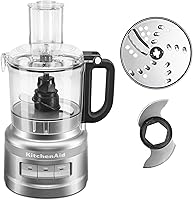
How Do You Clean a Food Processor?
Here's how to clean a food processor: unplug it, remove the attachments, and wash approved removable parts with warm soapy water. Wipe the motor base separately, keep fingers away from cutting edges, and dry all pieces before storage.
On this page (9 sections)
- How do you clean a food processor step by step?
- How do you wash the bowl, lid, and pusher?
- How do you clean blades and discs without getting cut?
- Can food processor parts go in the dishwasher?
- Which food processor fits your cleanup routine?
- How do you remove dough, oily paste, and trapped shreds?
- How do you wipe the motor base?
- How do you dry, store, and set up clean parts?
- Which cleaning steps matter most?
To clean a food processor, unplug it, remove the attachments, wash approved removable parts, and wipe the motor base separately. Handle blades by their designated grips, then dry every piece before storage.
Clean soon after prep so sauces, dough, and vegetable bits don't harden in grooves. For care rules that vary by piece, see whether food processor parts are dishwasher safe.
How do you clean a food processor step by step?
Follow this order: unplug, take apart, remove food, wash, rinse, and dry. Your model's manual sets the rules for disassembly, soaking, and dishwasher use.
- Switch off the machine, wait for the blade to stop, and unplug the base.
- Remove the lid and attachments in the order shown in the manual.
- Set sharp pieces somewhere visible and secure, away from the sink edge.
- Scrape loose food from the bowl into the trash with a flexible spatula.
- Wash removable pieces with warm soapy water, or put approved pieces in the dishwasher.
- Wipe the base with a damp cloth, then dry it.
- Rinse hand-washed parts and let every piece dry before storage.
Give the lid grooves, feed tube, and attachment hubs a final look. A bowl can look clean while small scraps remain underneath an accessory.
What do you need to clean a food processor?
A soft sponge, mild dish soap, and soft cleaning brush cover routine cleanup. A narrow brush helps reach the feed tube and small grooves without putting fingers near a blade.
Clear a drying area before you begin. Keep sharp parts separate from dishes so nobody reaches into a pile and grabs a cutting edge.
How do you wash the bowl, lid, and pusher?
Wash these pieces with warm soapy water and a soft sponge, using a brush around corners and locking tabs. Separate only the components the manual tells you to remove.
Pay attention to the underside of the lid, the bowl rim, and the pusher's lower end. Turn each piece as you rinse so loosened food and soap leave the grooves.
If residue has dried, soften it with a brief soak when the manual permits. Avoid boiling water and abrasive pads, which can damage plastic.
Don't force a brush into a sealed opening or pry apart a lid mechanism. Food trapped somewhere you can't safely reach calls for the manufacturer's cleaning guidance.
How do you clean blades and discs without getting cut?
Hold blades and discs by their designated hubs or grips, keeping your hands clear of cutting edges. Use a soft brush with the accessory supported securely, following the manual's handling directions.
Wash sharp pieces individually instead of dropping them into cloudy sink water. Keep the cutting edges visible while rinsing, and don't catch a slipping blade.
Inspect both sides of a disc and the underside of a blade hub. Shredded cheese and thick pastes can cling to surfaces that aren't visible from above.
Read what food processor blades and discs do if you need help identifying an attachment before removing it.
Can food processor parts go in the dishwasher?
Only dishwasher-approved pieces belong in the dishwasher, and rack placement matters. Check the instructions for each bowl, lid, pusher, blade, and disc rather than assuming the whole set has the same care rules.
Keep parts clear of moving spray arms and secure lightweight pieces as directed. Don't wedge plastic parts into a tight space to make them fit.
The motor base never goes in the dishwasher. For a few onion pieces, a quick hand wash may be more practical than waiting for a full load.
Which food processor fits your cleanup routine?
Choose a processor whose bowl size, washable parts, and storage needs match how you cook. A large machine helps with batch prep, but you'll still need room to wash and dry its parts.
Measure your sink opening, drying area, and storage shelf before buying. Our food processor buying guide covers the wider choice beyond cleanup.
Cuisinart 14-Cup: for cooks who prep large batches
The Cuisinart suits cooks who regularly make food for a family or group. Its dishwasher-safe accessories include the slicing disc, shredding disc, and chopping/mixing blade, while a detachable disc stem separates for cleanup.
Choose it when larger batches justify washing a larger bowl. Skip it if you mostly chop small portions or have little room to dry bulky pieces.
Its 18-pound weight also matters if you plan to move it between a cupboard and the counter every day. The slicing and shredding blades aren't adjustable, so choose another model if changing cut thickness is a priority.
Cuisinart 5-Cup: for small batches and limited storage
The Cuisinart 5-Cup Chop & Shred suits smaller prep jobs and kitchens where loose accessories are hard to store. Its removable parts nest in the bowl, and cord storage is built into the base.
Choose it for modest portions and a contained storage setup. Skip it if your usual recipes would require several batches, since repeated emptying and handling can cancel out the appeal of a smaller bowl.
Confirm its part-by-part dishwasher instructions before buying if machine washing is essential. Let every accessory dry before nesting it, and use the intended storage arrangement to protect sharp edges.
Ninja Professional Plus BN601: for dishwasher-led family prep
The Ninja suits cooks who want a 9-cup bowl and dishwasher-safe removable parts. It includes a separate dough blade and a reversible slicing and shredding disc, so wash the attachment you use and store the others clean.
Choose it if family prep and dough mixing are regular jobs. Skip it if you only need a small chopper and wouldn't use the extra attachments or 4 preset programs.
Before ordering, check that its 16.02-inch height fits your intended storage space. Compare batch needs with our guide to choosing a food processor rather than picking by motor power alone.
How do you remove dough, oily paste, and trapped shreds?
Match the cleaning method to the residue instead of scrubbing harder. Remove loose food first, then use soap, water, and a soft brush where needed.
For dough, lift out the bulk with a flexible spatula after removing sharp attachments. Work on small pieces around the hub separately instead of pushing a dough mass into narrow openings.
For nut butter or oily sauces, wipe out the excess before washing. Use fresh soapy water if the first wash leaves a greasy film, then rinse well.
For cheese and vegetable shreds, check disc holes and the feed tube. Brush residue free without scraping cutting edges with a knife or dragging a cloth across them.
Avoid trying to clean everything by running the machine with soapy water unless the manual gives that method. Hidden surfaces still need inspection afterward.
How do you wipe the motor base?
Wipe the unplugged base with a damp cloth, then dry it. Keep water out of controls, vents, the drive area, and cord openings.
For dried splashes, hold the cloth against the spot briefly to soften the food. Don't pour water onto the base or spray cleaner into openings.
Check the counter beneath the machine once the removable parts are off. If liquid gets inside the base, stop using it and contact the manufacturer before plugging it in again.
How do you dry, store, and set up clean parts?
Store parts fully dry, with sharp edges protected in their intended positions. Trapped moisture is a reason to leave pieces apart longer, especially around hubs and lid grooves.
Air-dry on a clean rack in a secure spot, or use a clean towel where it can reach safely. Don't drag a towel along a blade edge or stack damp accessories inside a closed bowl.
Before the next use, check for cracks, damaged locking tabs, or a loose attachment. Follow the manual's assembly order and never force the lid or bowl into place.
See how to use a food processor for setup and handling tips. Planning the right attachment with what you can make in a food processor also helps you avoid dirtying pieces you don't need.
Which cleaning steps matter most?
Knowing how to clean a food processor comes down to safe blade handling, clean hidden surfaces, and dry storage. Wash promptly, inspect hubs and grooves, and keep water away from the base.
Keep your current processor if it suits your portions and its parts are easy to care for. If replacing it, choose the Cuisinart 14-Cup for large batches, the Ninja for family prep with dishwasher-safe removable parts, or the Cuisinart 5-Cup for smaller jobs and contained storage.
Check dishwasher-safe food processor parts before settling on a cleaning routine. Review food processor blades and discs if an attachment's grip or purpose is unclear.
Frequently asked questions
Can I put food processor parts in the dishwasher?
Put only dishwasher-approved parts in the dishwasher, following your model's manual for rack placement and cycle limits. Bowls, lids, pushers, blades, and discs can have different care rules.
Keep the motor base out, and arrange sharp accessories securely so you can see and handle them safely when unloading.
How do you clean a food processor blade safely?
Unplug the processor, then lift the blade by its designated hub or stem as the manual directs. Keep it visible and stable while using a soft brush to remove food without touching cutting edges.
Rinse carefully, let it dry somewhere secure, and never hide it under suds or dishes.
How do you remove stuck food from a food processor?
Soften stuck food with warm soapy water if the manual permits soaking that part, then loosen it with a soft brush. Check the blade hub, feed tube, lid grooves, and bowl rim.
Avoid knives, abrasive pads, and forced disassembly, which can damage parts or put fingers near sharp edges.
Can you clean a food processor by running it with soapy water?
Don't run a food processor with soapy water unless its manual specifically allows that method. Follow the stated fill limit and directions if it does.
A quick swirl doesn't replace removing attachments and checking hidden surfaces, so inspect the hub, lid, and seals or grooves before drying and storing parts.