How Do You Make Nut Butter in a Food Processor?
For food processor nut butter, grind plain roasted nuts through crumbs and paste into a spread, pausing to scrape the bowl. Check your manual for permitted uses, batch sizes, and run limits before starting.
On this page (9 sections)
- How do you make nut butter in a food processor?
- Which nuts should you use for your first batch?
- What happens during the food processor nut butter stages?
- How do you choose a food processor for nut butter?
- Which mistakes cause crumbly, greasy, or stalled batches?
- Should you add salt, sweetener, or water?
- How do you clean the processor after making nut butter?
- How should you store homemade nut butter?
- Is food processor nut butter worth making?
To make nut butter in a food processor, grind plain roasted nuts until they turn from crumbs into paste and then a spread. Use the recommended chopping blade, pause to scrape the bowl, and follow your manual's batch and run limits.
Start with nuts alone so you can judge the texture before adding flavorings. The crumbly stage is normal, and adding liquid too early can leave you with a greasy or stiff mixture.
How do you make nut butter in a food processor?
Break the nuts down with short pulses, then process in permitted runs until the texture suits you. Check that your machine allows this task before loading the bowl.
- Set the base on a dry, level counter and assemble the bowl and chopping blade as directed.
- Add plain roasted nuts within the recommended amount for nut butter, rather than filling to the bowl's total capacity.
- Lock the lid and pulse to break the nuts into smaller pieces.
- Process through the meal and paste stages, observing the required run limits and rest periods.
- Stop, disconnect the power, and wait for the blade to stop before scraping the walls with a spatula.
- Once the spread forms, add any salt or other finishing ingredients and process briefly.
- Disconnect the power before removing the blade and transferring the butter to a clean container.
There isn't one useful processing time for every batch. The nut variety, amount, and machine all affect how quickly the mixture changes.
Read how to use a food processor for assembly help. Our guide to food processor blades and discs explains why the chopping blade, rather than a slicing or shredding disc, fits this job.
Which nuts should you use for your first batch?
Choose plain, unsalted roasted peanuts for a straightforward first batch, or use almonds, cashews, or hazelnuts for a different flavor. Avoid mixed coatings and added seasonings until you know how the base spread behaves.
Unsalted nuts let you control the seasoning at the end. If you use salted nuts, taste the finished paste before adding more.
Fresh nuts matter because processing won't remove stale or rancid flavors. Let freshly roasted nuts cool within your processor's ingredient-temperature limits, and remove any shells before starting.
For crunchy butter, reserve some chopped nuts before processing the rest into a smooth base. Stir those pieces in afterward so you control the amount of crunch.
What happens during the food processor nut butter stages?
Nuts pass through pieces, fine meal, clumps, and a looser paste as their oils release. Judge progress by those changes rather than expecting the mixture to look spreadable right away.
Why does food processor nut butter look dry at first?
Fine nut meal can look like flour before it forms a paste. It may collect against the bowl wall or gather into a thick mass as processing continues.
Scraping brings that material back toward the blade. Use the machine's rest periods to do this with the power disconnected.
A finished homemade spread may stay slightly grainy. Don't exceed the processor's limits trying to match the texture of a commercial jar.
How can you make the texture smoother?
Keep the batch moving around the blade and allow enough permitted processing time. Too little food can sit beyond the blade's reach, while too much can crowd the bowl.
Once a paste forms, add a small amount of neutral oil only if you want a looser spread. Add it gradually because you can't remove excess oil afterward.
How do you choose a food processor for nut butter?
Choose by permitted use, working batch size, and controls before comparing motor numbers. Bowl capacity describes the container, not how many cups of nuts you should process at once.
Check the manual for a nut butter recipe or clear instructions covering the task. If nut butter is your main reason for buying, resolve any uncertainty about that use before ordering.
Match the working amount to what you'll actually eat. A large machine can be a poor fit for a few spoonfuls if that amount doesn't circulate near its blade.
Compare motor ratings on the same basis: peak watts aren't a direct match for a rating without that qualifier. Neither number tells you the allowed run time or guarantees a particular texture.
Storage also affects the choice. Measure your counter and cabinet clearance, then use what size food processor you need to weigh spread-making against your other prep jobs.
Cuisinart: for cooks who also prepare larger meals
Choose the Cuisinart for simple controls and broader large-batch meal prep, provided its instructions suit your nut butter plans. It pairs a 14-cup bowl with a 720-watt motor and on and off/pulse buttons.
Its stainless steel chopping/mixing blade serves this kind of grinding task, while the included slicing and shredding discs cover other kitchen jobs. Those discs have fixed cuts, so skip this model if adjustable slicing is a priority.
At 18 pounds, it also suits a regular counter spot better than frequent lifting from a low cabinet. Don't choose it merely to gain a bigger bowl for very small spreads.
Ninja: for cooks who want presets for everyday prep
Choose the Ninja if you want preset controls for several kitchen tasks and a lighter machine to move. Its 9-cup bowl is paired with a 1000-peak-watt motor, and the unit weighs 7.7 pounds.
The 4 Auto-iQ programs cover chopping, slicing, pureeing, and dough making. Don't assume the puree program is a nut butter cycle; use the controls and operating pattern directed for nuts.
A chopping blade, dough blade, and reversible slicing/shredding disc give it uses beyond spreads. Skip it if your main goal is a larger work bowl for general meal prep.
KitchenAid: for cooks who want tidy accessory storage
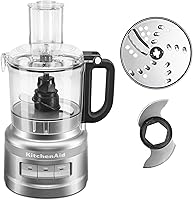
Choose the KitchenAid if storing attachments and assembling the bowl are key buying concerns. Its 13-cup bowl uses twist-free, one-click assembly and a latched lid, with an in-bowl caddy for blades and discs.
The included multi-purpose blade handles chopping and mixing tasks. An externally adjustable slicing disc adds value if vegetables are a regular part of your prep.
Skip it if you won't use the extra prep tools or lack vertical clearance: it's 17.44 inches tall. The storage caddy keeps accessories together, but you still need room for the whole appliance.
For more buying help, see best food processors for nut butter. The complete food processor buying guide covers choosing for several kinds of prep.
Which mistakes cause crumbly, greasy, or stalled batches?
Check the batch and scraping routine before adding ingredients or extending run time. More processing helps only while you're staying within the machine's limits.
- Crumbs collect on the walls: Disconnect the power and scrape them toward the center.
- The blade spins beneath the nuts: Check the minimum working amount rather than repeatedly running the same tiny batch.
- The mixture turns greasy: Stop adding oil and reassess the texture once the spread cools.
- The motor strains, smells unusual, or shuts off: Stop, unplug it, and follow its cooling and troubleshooting instructions.
Don't push food toward a moving blade or keep restarting a machine that has shut itself off. A stalled batch needs a corrected setup or rest, not force.
Should you add salt, sweetener, or water?
Add salt and flavorings after the nuts form a spread, and leave out water. This lets you judge the base texture before changing it.
Taste before seasoning, especially with salted nuts. Add dry spices gradually so they don't overwhelm a small batch.
Honey and other liquid sweeteners can make nut butter stiff or change its storage needs. Use a recipe designed for those additions rather than treating them as a way to loosen the paste.
How do you clean the processor after making nut butter?
Remove most of the butter with a spatula before washing the disconnected machine's removable parts. This reduces the oily layer left around the blade hub, lid, and bowl corners.
Use warm soapy water and a soft brush, holding blades away from their sharp edges. Wash promptly so residue has less time to dry in crevices.
Follow each part's care instructions for dishwasher use and placement. Wipe the motor base with a damp cloth and never submerge it.
See how to clean a food processor for the full routine, or which food processor parts are dishwasher safe before loading the racks.
How should you store homemade nut butter?
Transfer it to a clean, dry, airtight container and follow your recipe's storage directions. Ingredients and preparation affect storage, so there isn't one shelf life for every homemade spread.
Label the container with the date and any additions. Use a clean utensil each time, and stir separated oil back in before serving.
Follow a recipe's refrigeration and discard guidance, especially for added liquids. Smell and appearance alone can't confirm that food is safe.
Is food processor nut butter worth making?
Make food processor nut butter if you want control over ingredients and texture and will use batches that suit your machine. Start with plain nuts, learn the texture stages, and add flavorings only after the spread forms.
Pick Cuisinart for simple controls and larger meal prep, Ninja for presets and easier lifting, or KitchenAid for accessory storage and adjustable slicing. For each, confirm nut butter instructions before buying for that purpose.
If you'll rarely make spreads, choose around the meals you prepare most often. Explore what you can make in a food processor to decide whether the appliance earns its counter space.
Frequently asked questions
Can you make nut butter in a food processor?
Yes, a food processor can make nut butter when its manual permits the task and you follow its batch and run limits. Use the recommended chopping blade, let the nuts move through crumbs and paste, and stop and unplug the machine before scraping the bowl or adjusting the mixture.
Do nuts need to be roasted before making nut butter?
No, roasting isn't required, but plain roasted nuts are a useful starting point because roasting develops their flavor. Choose unsalted nuts if you want control over seasoning, and let freshly roasted nuts cool within your machine's ingredient-temperature limits before processing.
Avoid sweet coatings for your first batch.
Why is my homemade nut butter dry and crumbly?
Dry crumbs are a normal stage before the nuts release enough oil to form a spread. If progress stops, check that the batch meets your machine's minimum amount and scrape the sides with the power disconnected.
Don't exceed run limits or pour in water to force the mixture to loosen.
How do you clean a food processor after making nut butter?
Unplug the processor, remove the butter with a spatula, and take apart the removable pieces as directed. Wash oily surfaces with warm soapy water and a soft brush, keeping fingers away from sharp edges.
Check dishwasher instructions for each part, and wipe the motor base without submerging it.