9 Best Food Processors for Making Salsa (November 2026)
The best best food processors for salsa include the Ganiza Food Processors with 2 Bowls for chunky or smooth salsa, the Sangcon Blenders for Kitchen for salsa plus smoothies, and the Ninja Professional Plus BN601 for big-batch salsa.
On this page (17 sections)
- Which food processors make the best salsa?
- How these salsa food processors were compared
- Best overall: Ganiza Food Processors with 2 Bowls
- Best for salsa plus smoothies: Sangcon Blenders for Kitchen
- Best for big-batch salsa: Ninja Professional Plus BN601
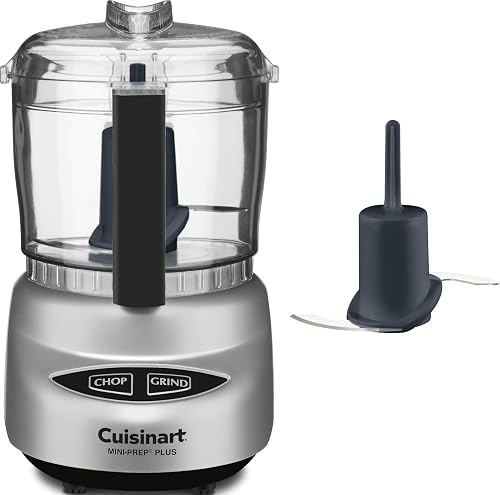
- Best for a small bowl of pico: Cuisinart Mini Food Processor 3-Cup
- Best for quick weeknight salsa: Hamilton Beach 3-Cup Chopper
- Best for tomato-heavy salsa: Hamilton Beach 70730 10-Cup
- Best for a full salsa spread: GE Food Processor
- Best for fuss-free cleanup: KitchenAid 7-Cup KFP0718
- Best budget salsa machine: BLACK+DECKER 8-Cup Food Processor
- How much bowl capacity do you need for salsa?
- Does wattage matter for salsa?
- Pulse or speed control: what to look for in a salsa processor?
- How do you keep salsa from turning to puree?
- What else should you think about before buying?
- The best food processor for making salsa
The best food processor for making salsa for most kitchens is the Ganiza Food Processors with 2 Bowls. Its two speeds and paired 8-cup bowls let you pulse tomatoes and onions coarse for pico, then blend a smoother batch in the second bowl.
Salsa is a test of control more than power. Fresh tomatoes and onions go from chunky to watery in a few seconds, so the machine that wins is the one that lets you stop fast and clean up easy.
Below are the picks that handle that job best, from a 3-cup mini for a small bowl of pico to a 12-cup machine for a party spread. If you want the wider picture first, our guide to the best food processors covers every kitchen job.
Which food processors make the best salsa?
The Ganiza is the clearest pick for salsa because of its bowl pair and control. The Ninja BN601 wins for big batches, the Cuisinart 3-Cup for small ones, and the Hamilton Beach 70730 for tomato-heavy loads.
Our score weighs specs, features and buyer feedback against what you're shopping for. The nine machines here cover a wide range of bowls, speeds and price tiers, so match the pick to how much salsa you actually make.
Our picks at a glance
-
1
 Best for chunky or smooth salsa
Ganiza Food Processors with 2 Bowls
9.6/10 our score
See it on Amazon -
2

-
3

- 4
 Check it
Cuisinart Mini Food Processor 3-Cup
Best for a small bowl of pico - 5
 Best for quick weeknight salsaCheck it
- 6
 Best for tomato-heavy salsaCheck it
- 7
 Best for a full salsa spreadCheck it
- 8
 Best for fuss-free cleanupCheck it
- 9
 Check it
BLACK+DECKER 8-Cup Food Processor
Best budget salsa machine
How these salsa food processors were compared
We compared machines on bowl size, motor wattage, control type and how easy each one is to clean after tomatoes and onions. Full-size processors earned points for pulse control, capacity and a wide feed chute.
Mini choppers earned points for counter space and fast cleanup. We also weighed how many accessories come in the box, because a mini bowl or disc saves a second appliance when you're prepping garlic, chilies and herbs for the same batch.
The scores come from the product data and how well each machine fits the job of turning fresh ingredients into salsa at the texture you want.
Best overall: Ganiza Food Processors with 2 Bowls
Ganiza Food Processors with 2 Bowls: Best for chunky or smooth salsa
- 8-cup glass and 8-cup stainless bowls
- 450W motor with 2 speeds
- Two sets of S-blades
- Overheating protection
Two bowls and two blade sets let you keep salsa ingredients separate or go from a coarse chop to a finer blend.
Pros
- Two 8-cup bowls for keeping jobs apart
- Two speeds plus removable blades
- Glass and stainless bowls are easy to rinse
Cons
- Needs a cool-down if the protection system trips
- Two bowls take more cabinet space
Ganiza suits the cook who makes salsa often and wants one machine to handle coarse and smooth batches without a mid-job wash. Its two 8-cup bowls and two blade sets keep meat and vegetables apart, so tomato salsa never shares a bowl with raw chicken prep.
The 450-watt motor and 2 speeds cover the range: a low speed for a coarse chop and a high speed for a finer blend. A few seconds turns vegetables or meat into small bits, so count your pulses rather than holding the button down for salsa.
The bowls differ in material on purpose. Glass and SUS 304 stainless each come with their own S-blade set, which makes it easy to reserve one bowl for salsa and the other for meat or frozen fruit.
Overheating protection shuts the motor off if a batch runs long, and the machine needs a few minutes to cool before you restart. That fits salsa well, since the job is short bursts rather than a long run.
The spring-loaded blades stop rotating as soon as the motor lifts out, which helps around kids. At 5 pounds, it stays put on the counter.
The removable blades rinse clean, so the bowl is ready for the next batch.
Choose it for two-bowl flexibility and glass and stainless options in one box. Skip it if you only ever make a small bowl of pico and want the least counter space.
Our small food processor picks cover that job.
Best for salsa plus smoothies: Sangcon Blenders for Kitchen
Sangcon Blenders for Kitchen: Best for salsa plus smoothies
- 5-in-1 set with pitcher and chopper bowl
- 2.5-cup chopper bowl
- S-blade, cross blade and flat blade
- 2 speeds plus pulse
A chopper bowl for salsa and a pitcher for drinks in one cabinet footprint. The 60-second run limit keeps batches small.
Pros
- Chopper bowl and pitcher in one set
- Pulse control for coarse salsa
- Dishwasher-safe cups and blades
Cons
- 60-second run limit per cycle
- Motor base must be wiped, not washed
Sangcon suits a small kitchen that wants salsa and drinks from one base. The set pairs a 47 oz pitcher with a 2.5-cup chopper bowl, and the S-blade in that bowl chops meat, vegetables, herbs, nuts and sauces.
Three blade options split the work: cross blade for liquids, flat blade for coffee and dry spices, and the S-blade for salsa ingredients. Two speeds plus pulse give you the control to stop a tomato chop before it goes to puree.
Pulse also handles self-cleaning with water and smooths thick shakes when you add liquid.
Each continuous run is limited to 60 seconds, which keeps salsa batches small but is plenty for one bowl. The cups, bowl, pitcher, lids and blades rinse and go in the dishwasher, though the motor base stays out.
A lock design and suction feet hold the base steady while the blades spin.
The set also covers smoothies, shakes, juices and ground coffee, so it earns its cabinet space beyond salsa night. Sungcon backs it with a 2-year warranty.
Pick it if one base should do salsa, drinks and spices. Skip it if you make salsa by the quart, since the 60-second limit and the 2.5-cup bowl suit smaller jobs.
A blender-first set like this is the right call for anyone who mostly makes drinks.
Best for big-batch salsa: Ninja Professional Plus BN601
Ninja Professional Plus BN601: Best for big-batch salsa
- 1000-peak-watt motor
- 9-cup bowl
- 4 Auto-iQ presets
- Dough blade included
The 9-cup bowl and preset programs handle parties and meal prep. It is the roomiest pick here with the most power.
Pros
- 9-cup bowl for large batches
- One-touch preset programs
- Dishwasher-safe removable parts
Cons
- Bigger footprint than the small choppers
- Presets can over-chop if you want chunky salsa
Ninja suits a household that makes salsa for parties or meal prep through the week. The 9-cup bowl holds a large volume of tomatoes, onions and chilies, and the 1000-peak-watt motor pushes through them without strain.
Four Auto-iQ presets take the guesswork out of chopping, slicing, pureeing and dough. For salsa, the pulse pattern matters more than a preset: run it in short bursts so the tomatoes stay chunky rather than turning to sauce.
The presets are a help for smooth salsa, where a steady run does the work.
Stainless steel precision blades handle even chopping, and the reversible slicing and shredding disc adds salad and cheese prep. A dough blade comes in the box for bread and pizza later.
All removable parts are BPA-free and dishwasher safe, so cleanup after a big batch is quick. The feed chute and pusher let you drop tomatoes and onions in without stopping the machine.
It is the roomiest and most powerful machine here.
Choose it for volume and power in one machine. Skip it if you want a small batch, since the 9-cup bowl is oversized for salsa for two.
A food processor for nut butter needs this kind of power too, so this pick transfers.
Best for a small bowl of pico: Cuisinart Mini Food Processor 3-Cup
Cuisinart Mini Food Processor 3-Cup: Best for a small bowl of pico
- 3-cup work bowl
- 250-watt motor
- Reversible SmartPower blade for chop and grind
- Dishwasher-safe bowl and lid
A countertop mini for salsa for one or two, with a blade that reverses from chopping to grinding.
Pros
- Takes up little counter space
- Reversible blade for chop or grind
- Bowl and lid go in the dishwasher
Cons
- Small bowl suits only small batches
- One speed only
Cuisinart suits the cook who wants salsa for one or two without a full-size machine on the counter. The 3-cup work bowl is right for a small batch of pico, and it also handles pesto, dressings and bread crumbs.
The 250-watt motor and patented reversible SmartPower blade give two processing options: chop with the sharp edge and grind with the blunt side. For salsa, chop onions, chilies and herbs first, then fold in diced tomato by hand to keep it chunky.
The grind side works for hard cheese and nuts, though Cuisinart notes it chops beans rather than grinding them.
Two pinholes in the lid let you stream oil into the bowl while it blends, which helps when you make a smooth roasted salsa or a dressing for the same meal.
The bowl and lid are dishwasher safe, and the brushed chrome body wipes clean with a damp cloth. It is compact at about 9 inches high and light at 2.2 pounds, so it tucks away easily.
A spatula and recipe book come in the box.
Buy it for small batches and easy storage. Skip it if you regularly make salsa by the quart, since one speed and a 3-cup bowl keep it to small jobs.
For pico and dressings alone, it is the easiest machine to live with.
Best for quick weeknight salsa: Hamilton Beach 3-Cup Chopper
Hamilton Beach 3-Cup Chopper: Best for quick weeknight salsa
- 3-cup bowl
- 350-watt motor
- Stack and press lid
- Oil dispenser on the lid
Press the lid to chop and let go to stop, so you can watch the texture and stop before it turns to puree.
Pros
- Press-to-chop control for coarse salsa
- Oil dispenser on the lid
- Bowl, lid and blades are dishwasher safe
Cons
- Small capacity for a crowd
- No separate speeds
Hamilton Beach suits a fast weeknight batch where you want to watch the texture. The stack and press lid chops while you press and stops when you release, so you can pulse by hand and stop the moment the onions look right.
The 350-watt motor has enough power for onions, carrots and nuts, and the stainless steel blades handle tomatoes and herbs. The oil dispenser in the lid helps you emulsify dressings, dips and sauces in the same bowl, and it also covers puree for sauces and baby food.
The bowl, lid and blades are dishwasher safe, and the hideaway cord cuts counter clutter. At 3 cups, it makes salsa for a small household and stores in a cabinet without a fight.
The bowl lifts out for rinsing, and the safety lock keeps the blades covered until the lid seats.
There is one speed, so control comes from how long you press. That simple design is the point: less to set up and less to clean.
Pick it if simple press-and-watch control is what you want. Skip it for a crowd, since 3 cups fills fast when tomatoes and onions go in.
For a single bowl of salsa after work, the stack and press design is hard to beat.
Best for tomato-heavy salsa: Hamilton Beach 70730 10-Cup
Hamilton Beach 70730 10-Cup: Best for tomato-heavy salsa
- 10-cup bowl
- 450-watt motor
- Built-in bowl scraper
- 2 speeds plus pulse
A large bowl with a scraper that pushes ingredients back toward the blades without lifting the lid.
Pros
- 10-cup bowl for big tomato loads
- Bowl scraper works while the lid is on
- Slicing and shredding disc included
Cons
- Large for a single bowl of salsa
- Bowl can be harder to store than a mini
Hamilton Beach suits big tomato loads. The 10-cup bowl fits a large volume of food at once, and the wide feed chute means less pre-cutting before you process.
The built-in bowl scraper is the feature that matters for salsa: move it side to side to push ingredients back toward the blades without lifting the lid. That keeps chunks even and saves a spatula stop mid-batch.
You can scrape while the machine runs or while it is off.
The 450-watt motor powers through carrots and hard cheese, and 2 speeds plus pulse give you the control to chop coarse. A slicing and shredding disc is in the box for salads and toppings.
Low speed is the one for delicate mixes, and high speed takes the tougher ingredients.
Parts are BPA-free in all food zones and dishwasher safe. The 10-cup bowl is large for a single batch, but it earns its place when you make salsa and sides for a cookout.
Choose it for tomato volume and the scraper. Skip it if counter space is tight, since the 10-cup bowl is the largest here after the GE.
Our food processor for making pie crust guide covers this size for baking too.
Best for a full salsa spread: GE Food Processor
GE Food Processor: Best for a full salsa spread
- 12-cup bowl
- 550-watt motor
- 3 speeds including pulse
- 9 accessories plus a mini chopping bowl
The largest bowl here comes with a mini chopping bowl for garlic and chilies, so one machine covers the whole salsa job.
Pros
- 12-cup bowl for party batches
- Mini bowl for garlic and herbs
- Measurement markings on the bowl
Cons
- Big on the counter
- More parts to store and wash
GE suits a cook who wants one machine for the whole salsa table: salsa, guacamole, shredded cheese and toppings. The 12-cup bowl has measurement markings and an ergonomic handle, and the 550-watt motor runs on 3 speeds, including pulse.
The mini chopping bowl is the standout for salsa prep. Chop garlic, herbs and nuts in it, then move to the big bowl for tomatoes and onions, so strong flavors don't take over the whole batch.
A mini S-blade comes with it for small jobs.
Nine accessories come in the box, including grating, French fry, dough and emulsifier discs. A large feed tube with stackable inner tubes takes whole or large ingredients and liquids, cutting down on pre-cutting.
That means fewer knife steps before the salsa goes in.
Suction cup feet hold it steady, and built-in cord storage keeps the counter tidy. The bowl and accessories are dishwasher safe.
It carries a limited 1-year warranty.
Buy it for a party spread in one machine. Skip it if you make salsa weekly for two, since the 12-cup bowl and nine accessories bring more setup than you need.
The mini bowl does soften that trade-off for small jobs.
Best for fuss-free cleanup: KitchenAid 7-Cup KFP0718
KitchenAid 7-Cup KFP0718: Best for fuss-free cleanup
- 7-cup bowl
- 3 speeds plus pulse
- Blades and discs store in the bowl
- Snap-and-go bowl assembly
A mid-size bowl with one-click assembly and a leak-resistant bowl you can swirl with warm soapy water after salsa.
Pros
- Blades and discs store inside the bowl
- One-click bowl assembly
- Warm soapy water cleans the bowl quickly
Cons
- Smaller bowl than the GE and Hamilton Beach
- Twist-free lid still needs to seat fully
KitchenAid suits the cook who hates washing a processor after every batch. The 7-cup bowl covers salsa for a family, and you can add warm water and 1 to 2 drops of dish soap and run it to clean the bowl and blades without disassembly first.
The bowl is leak-resistant, so that swirl stays inside.
One-click bowl assembly and a latched lid make setup quick, and 3 speeds (high, low and pulse) give salsa the short bursts it needs. The easy-press paddles and LED controls keep operation simple.
The multi-purpose blade chops, shreds, slices and purees, and the reversible disc covers cheese and vegetables.
All blades and discs store directly in the bowl, so the cabinet stays organized. The 2-in-1 feed tube handles tomatoes, cucumbers and potatoes in different shapes.
Built-in cord storage keeps the counter clear.
It sits at a mid-size bowl between the mini picks and the GE. Choose it if cleanup speed decides the purchase, not maximum capacity.
The same easy-clean thinking shows up in our picks for the best small food processor.
Pick it for cleaning and storage. Skip it if you need a 10-cup or larger bowl for big batches.
Best budget salsa machine: BLACK+DECKER 8-Cup Food Processor
BLACK+DECKER 8-Cup Food Processor: Best budget salsa machine
- 8-cup bowl
- 450W motor
- Low, high and pulse settings
- Dishwasher-safe removable parts
An 8-cup bowl with a pulse setting for salsa at a lower price tier, with easy assembly for weeknight use.
Pros
- 8-cup bowl at a budget tier
- Pulse control for coarse batches
- Simple set-and-lock assembly
Cons
- Older-feeling touchpad controls
- Fewer accessories than the GE
BLACK+DECKER suits a first food processor or a backup for salsa season. The 8-cup bowl gives enough room for a family batch, and the stainless steel S-blade chops and mixes tomatoes and onions fast.
It also handles salsas, nut butter and hummus.
Low, high and pulse settings cover the range, and pulse is the one you'll use for salsa. The reversible metal slice and shred disc handles cheese for topping and vegetables on the side.
Assembly is simple: set the bowl on the base and twist the lid until it locks. The lid does the locking, so there is no fighting the bowl into place.
The 450W motor takes care of food quickly, and removable parts are dishwasher safe.
The touchpad controls feel older than the digital panels on the pricier picks, and you get fewer accessories than the GE. It still covers the core job at the lowest tier here.
If salsa is the main reason you want a processor, this one does the essentials.
Choose it for a low-cost 8-cup bowl. Skip it if you want preset programs, since every control here is manual.
The easy set-and-lock design is its best feature for weeknight batches.
How much bowl capacity do you need for salsa?
Capacity decides how many pulses you make. A 3-cup bowl suits salsa for one or two.
An 8-cup bowl handles a family batch, and a 10 to 12-cup bowl is the right size for parties and meal prep.
Filling the bowl past its mark forces uneven chopping, so match capacity to your usual batch size. A wide feed chute also saves knife work, since whole tomatoes and larger onion pieces can go straight in.
Small bowls for pico and two-person batches
A 3-cup mini chopper is the easiest pick for small batches. The Cuisinart 3-Cup and the Hamilton Beach 3-Cup Chopper both fit the job, and stuffing a small bowl with tomatoes and onions is fine as long as you stay at the mark.
These bowls also suit dressings and dips made alongside the salsa.
Mid-size bowls for family salsa
The Ganiza 8-cup bowls, the KitchenAid 7-cup and the BLACK+DECKER 8-cup cover a family batch. These machines also handle hummus, dressings and chopped salads through the week.
A mid-size bowl is also the easiest to store without clearing a whole cabinet.
Large bowls for parties and meal prep
The Ninja 9-cup, the Hamilton Beach 10-cup and the GE 12-cup take party volumes. A large bowl also gives the blades room to move, which helps when you blend smooth.
The GE's mini bowl covers small jobs so you don't have to haul out the big one for garlic.
Does wattage matter for salsa?
Wattage matters less for salsa than for dough or nut butter, because tomatoes and onions are soft. A 350 to 450-watt motor handles salsa easily, while 550 to 1000 peak watts help with big batches and tougher add-ins.
More power helps when you load a full bowl or add hard ingredients like carrots and cheese. For a small pico, a 250-watt mini is plenty.
A motor with overheating protection is worth having either way, since it protects the machine when you push a thick batch.
When a lower wattage is enough
If your salsa is mostly tomatoes, onion, chili and herbs, a 250 to 350-watt motor covers it. The Cuisinart and the Hamilton Beach 3-Cup Chopper both fall in that range and still chop salsa ingredients fine.
When to step up in power
Big batches and hard add-ins call for more. The Ninja's 1000 peak watts, the GE's 550 watts and the 450-watt motors on the Ganiza, Hamilton Beach 70730 and BLACK+DECKER handle full bowls and tougher ingredients with less strain.
Pulse or speed control: what to look for in a salsa processor?
Pulse control matters more than top speed for salsa. Short bursts let you stop when the texture looks right, so a machine with pulse or press-to-chop control is the better choice than one with only high and low.
The Sangcon, Ninja and KitchenAid all include pulse. The Hamilton Beach 3-Cup Chopper gives the same control by design: press the lid to chop and release to stop.
Machines with a pulse button
Pulse buttons work automatically once the bowl is locked, so you can keep one hand on the lid and chop in quick taps. The Ganiza's 2 speeds, the Hamilton Beach 70730's 2 speeds plus pulse and the GE's 3 speeds all give you a way to stop early.
Press-to-chop lids for manual control
The stack and press lid on the Hamilton Beach 3-Cup Chopper adds no settings. Press down, release, and check the bowl.
That is the simplest way to keep salsa chunky.
How do you keep salsa from turning to puree?
Chop in short bursts and check the bowl between them. Stop one pulse early, since the blades keep cutting for a moment after you release.
Seed and drain watery tomatoes first, and fold in the diced tomato by hand for pico.
Add salt near the end, since it draws liquid out of the tomatoes. For a smooth salsa, run the machine longer and add a splash of liquid so the blades move freely.
A fuller bowl also blends more evenly than a scant one.
What else should you think about before buying?
Cleaning speed and storage matter as much as power. A dishwasher-safe bowl and lid makes salsa night easier, and blades that store inside the bowl save cabinet space, as on the KitchenAid.
Built-in cord storage, as on the GE and Hamilton Beach 70730, keeps the counter tidier.
Think about what else you make: the GE's nine accessories and the Ninja's dough blade add value if you bake or cook from scratch. If you make salsa often, choose the smaller bowl you'll actually reach for.
Two bowls, as on the Ganiza, also mean less washing between a meat batch and a salsa batch.
The best food processor for making salsa
For most kitchens, the best food processor for making salsa is the Ganiza Food Processors with 2 Bowls, with two 8-cup bowls and a 2-speed motor that make coarse and smooth batches simple. The Ninja BN601 is the party pick, and the Cuisinart 3-Cup covers pico for two.
Start with the machine sized to your usual batch, then check that it has pulse or press-to-chop control. That combination does more for salsa texture than raw wattage alone.
Our top 3 picks at a glance
-
1
Best for chunky or smooth salsa
Ganiza Food Processors with 2 Bowls
9.6/10 our score
See it on Amazon -
2
-
3
Frequently asked questions
Can a food processor make smooth restaurant-style salsa?
Yes. Run the machine longer instead of pulsing, and add a little liquid from the tomatoes or a splash of water so the blades move freely.
A sharper blade and a fuller bowl give the smoothest result.
Should I use a blender or a food processor for salsa?
A food processor is the better choice for chunky salsa because you control the chop with pulses. A blender works for smooth salsa and drinks, but it can turn fresh tomatoes and onions to liquid fast.
How do I stop salsa from turning watery?
Seed and drain the tomatoes first, then pulse in short bursts and stop early. Salt draws out liquid, so add it near the end and give the salsa a few minutes to settle before serving it.


